How can startups afford low MOQ custom coffee packaging?
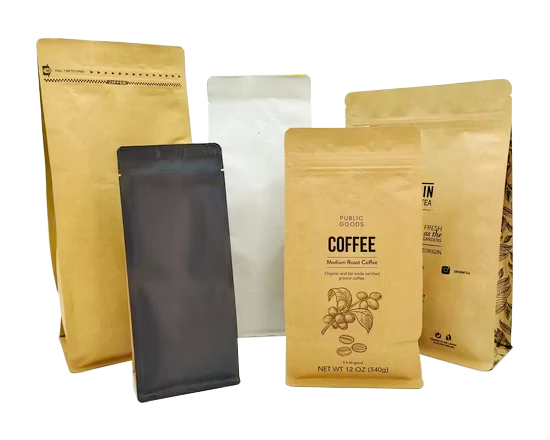
Startups can afford low MOQ custom coffee packaging by using digital printing, flexible suppliers, simplified designs, and smaller production plans. In 2025, many packaging suppliers offer orders from 100–1,000 bags instead of traditional 10,000+ units. Digital printing can reduce setup fees by around 50–80% compared with traditional printing methods, allowing small coffee brands to test products before placing larger orders.
A new coffee brand often faces a simple problem: packaging needs to look professional, but sales volume is still uncertain. Ordering 20,000 printed bags at the beginning may require several thousand dollars before a single bag is sold. For a startup selling 500 bags per month, this can tie up cash for more than 3 years of packaging supply if demand changes.
Low MOQ options allow brands to begin with smaller quantities while building customer feedback. Many suppliers now provide custom coffee bags in batches of 500, 1,000, or 2,000 pieces through digital printing technology. Compared with traditional gravure printing, which often requires expensive cylinders and preparation costs, digital methods remove many upfront expenses.
A startup does not need the lowest unit price at the beginning; it needs packaging quantities that match real monthly sales.
The printing method has a direct influence on minimum order requirements. Traditional printing remains suitable for large production because the cost per bag decreases with volume, but it is less practical for early-stage brands. Digital printing allows different artwork versions without changing printing equipment, making it suitable for seasonal coffee releases, limited editions, and product testing.
| Printing method | Common MOQ range | Suitable for |
|---|---|---|
| Digital printing | 100–1,000 bags | New coffee brands and product testing |
| Flexographic printing | 5,000+ bags | Growing brands with stable designs |
| Gravure printing | 10,000–50,000+ bags | Large commercial production |
The lower MOQ trend has also changed how startups select suppliers. Instead of choosing only based on the lowest bag price, many brands compare production flexibility, sample quality, shipping cost, and communication speed. A bag costing $0.20 may become more expensive if shipping adds another $0.15 per unit, while a $0.30 local option may provide faster delivery and smaller order quantities.
Material selection is another area where startups can control costs. Coffee packaging usually requires protection against oxygen, moisture, and light because roasted coffee quality declines when exposed to external conditions. Common structures include PET/PE, PET/AL/PE, and kraft paper laminates. Selecting the right material combination instead of adding unnecessary layers can reduce packaging expenses by approximately 20–40%.
A startup does not always need luxury packaging features during the first sales stage. Features such as metallic finishes, special coatings, complex shapes, and multiple finishing processes increase production costs. Many successful small coffee brands use simple matte surfaces, clear typography, strong color systems, and basic one-way degassing valves to create a professional appearance.
Good packaging design often comes from clear brand information rather than expensive manufacturing details.
Coffee companies can also combine different packaging formats during different growth periods. A new roaster may begin with stock coffee bags plus custom labels, then move toward fully printed bags after monthly sales become predictable. This approach reduces unused inventory when a logo, product name, or visual style changes.
For example, a startup launching three coffee blends may need three different designs. Ordering 10,000 units for each design creates 30,000 bags. If the company sells only 1,000 bags monthly, the packaging supply may last more than 2 years. A smaller first order of 1,000 bags per design allows the brand to evaluate customer preferences within 3 months.
Demand planning helps startups decide the right packaging quantity. Coffee consumption patterns vary because customers may prefer different roast levels, origins, and seasonal products. A company selling specialty coffee subscriptions may experience faster changes than a company selling one standard blend.
A simple calculation method is to estimate monthly sales, expected growth, and delivery time. If a brand sells 800 bags monthly and expects 15% growth over the next quarter, ordering 3,000–4,000 bags may provide enough supply while avoiding excessive stock. Many startups review packaging orders every 60–90 days during early growth.
The supplier network for coffee packaging has expanded, creating more options for small businesses. Companies can now work with manufacturers that specialize in short-run production, allowing them to access customized packaging without large factory commitments. Platforms offering coffee packaging solutions provide options such as custom sizes, printed designs, zipper closures, and valve systems for smaller brands.
Sustainability is another factor affecting packaging decisions. Consumer surveys in recent years show that environmental concerns influence purchasing choices, with some studies reporting that more than 60% of consumers consider packaging sustainability when choosing products. However, sustainable materials can increase costs, so startups often select practical options such as recyclable structures, reduced material use, or paper-based outer layers.
The timeline for packaging development has also become shorter. In earlier production models, custom packaging development could take several months because of design approval, printing setup, and manufacturing preparation. With digital production and online supplier communication, some startups can complete sampling within 1–3 weeks and move into production after approval.
| Startup stage | Recommended packaging approach |
|---|---|
| First 3–6 months | Small MOQ bags, labels, simple designs |
| 6–18 months | Larger orders based on sales data |
| Expansion stage | Fully customized packaging with advanced features |
Cash management remains important because coffee startups must also invest in beans, roasting equipment, marketing, logistics, and customer acquisition. Spending too much money on packaging before confirming demand may limit growth in other areas. Smaller packaging orders allow companies to keep more funds available for product improvement and market development.
Many international coffee brands follow a gradual packaging strategy. They first test customer response with limited designs, collect sales information, and adjust packaging before increasing production volume. This reduces unnecessary inventory and allows packaging choices to follow actual business development.
Low MOQ custom coffee packaging is affordable when startups match order size, printing method, and material choice with their current sales level.
By using digital printing, selecting suitable materials, working with flexible suppliers, and reviewing demand regularly, small coffee companies can achieve professional packaging without committing large amounts of money at the beginning. This approach allows emerging brands to present a strong visual identity while keeping production plans flexible.